


YOUR SKIN PLAN
PHASE ONE
- Testing 1
- Testing 2
- Testing 3
- Testing 4

YOUR
DIET
Lorem ipsum dolor sit amet, consectetur adipiscing elit, sed do eiusmod tempor incididunt ut labore et dolore magna aliqua. Ut enim ad minim veniam, quis nostrud exercitation ullamco laboris nisi ut aliquip ex ea commodo consequat. Duis aute irure dolor in reprehenderit in voluptate velit esse cillum dolore eu fugiat nulla pariatur. Excepteur sint occaecat cupidatat non proident, sunt in culpa qui officia deserunt mollit anim id est laborum.
FATS
Our brains are made predominantly of fat. Fat is a major source of energy and helps you absorb certain vitamins and minerals. Fat is essential for blood clotting, muscle movement, and immune processes. Healthy fats help you feel fuller longer, balance blood sugar, and help to product and regulate hormones. Historically, monounsaturated and polyunsaturated fats have been touted for their health-promoting properties, while industrial made trans fats and saturated fats have been demonised. We now know that, while all fats are certainly NOT created equal, we’re still learning about the roles of these different chemical structures in the body and some fats (namely, of the saturated variety), are not quite as bad as we once thought.

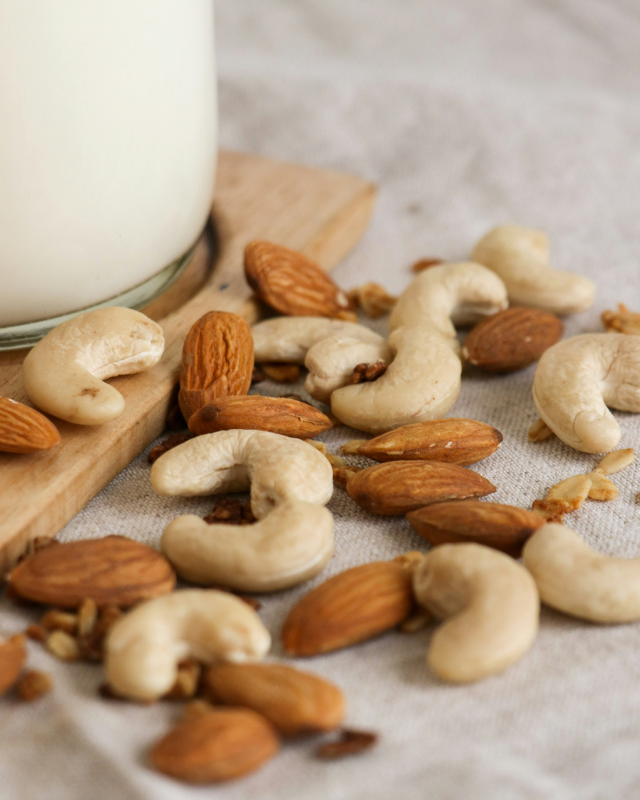
TYPES OF FATS
Monounsaturated: olive oil, avocado, nuts - support cholesterol, brain, BP
Polyunsaturated: walnuts, flax, salmon - balance omega-3:6 ratio
Saturated: in moderation, supports HDL, immunity, and cell function
Avoid: trans fats (hydrogenated oils, fried foods)
Cooking fats: avocado oil, ghee, coconut oil, butter, olive oil - use according to heat stability


BREAKFAST
3 eggs scrambled with spinach + avocado (or egg muffins prepped)
1 tsp olive oil drizzle
SNACK
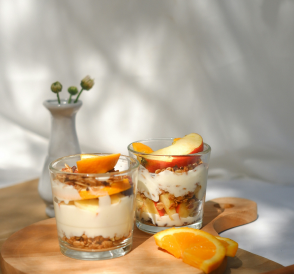
100g Full Fat Greek yogurt + 1 tbsp collagen powder + berries (or overnight oats prepped with added collagen instead of protein powder)
LUNCH
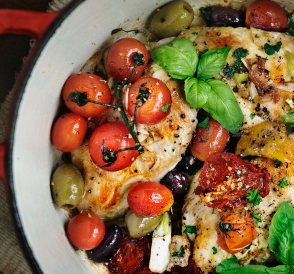
150g chicken breast, roasted vegetables, olive oil
1 cup cooked quinoa
DINNER
200g salmon, roasted sweet potato, sautéed greens with ghee or olive oil

BREAKFAST
• 3 eggs scrambled with spinach + avocado
• Olive oil drizzle
SNACK
Greek yoghurt + collagen + berries + chia
LUNCH
• 150g salmon or tuna
• Rice or quinoa
• Broccoli or kale
• Olive oil
DINNER
• White fish or salmon
• Sweet potato
• Steamed greens
• Ghee or olive oil

BREAKFAST
Scrambled tofu breakfast burrito, 350g
SNACK
Greek yoghurt + collagen + berries + chia

LUNCH
Tofu stir fry, 350g
DINNER
Chickpea and Bean curry, 100g of each


OPTIONAL SNACKS
Apple + nut butter
Dark chocolate 70% (M&S)
HYDRATION
2L water/day + electrolytes
BOWEL SUPPORT
1 tbsp ground flax/chia daily
CRUCIFEROUS VEG
1–2 servings/day for hormone support