


YOUR SKIN PLAN
PHASE ONE
To keep the skin barrier strong and healthy
To improve hydration, texture and overall glow
To support ageing skin gently without overloading it
To prepare the skin for your son’s wedding in October
To safely manage the seborrhoeic keratosis now it has been confirmed as benign
To build a routine that feels realistic and not like another full-time job
Because you have a history of breast cancer and have previously been on hormone therapy, we are not going to be doing anything that tries to “push hormones” or interfere with that side of things. The focus here is skin health, barrier support, inflammation control, sleep, stress and consistency.

YOUR
DIET
Your diet is not bad at all, but I would like to add a few things to support skin ageing, energy, blood sugar and repair
Breakfast
Current options are overnight oats, porridge or toast.
These can be fine, but they may need more protein and fat added in so they keep you fuller and more stable through the morning.
Ideas-
Porridge with Greek yoghurt and nuts/seeds
Overnight oats with collagen powder or Full Fat Greek yoghurt
Toast with eggs or avocado and smoked salmon
Full-fat yoghurt with berries, nuts and seeds
The goal is to avoid breakfast being mainly carbohydrate on its own.
Lunch
Soup, sandwich and yoghurt can work, but again I would want to make sure there is enough protein.
Ideas
Soup with added chicken, lentils, beans or collagen/protein on the side
Sandwich with chicken, tuna, egg, beef, salmon or cheese
Full Fat Greek yoghurt rather than low-fat yoghurt
Add olive oil, avocado or nuts if the meal is very light
Dinner
Your dinners sound balanced overall, which is good.
Aim for
A palm-sized portion of protein
A good portion of vegetables or salad
A portion of carbs like rice, potatoes or pasta
A healthy fat source like olive oil, avocado, oily fish, butter or nuts/seeds
Do not under eat in the lead up to the wedding. Under eating can make the skin look flatter, drier and more tired.
Snacks
At the moment snacks are often chocolate, biscuits, cakes or fruit.
You don't need to cut these out completely, but I would like them to stop being the main thing your body is running on between meals.
Better snack options
Greek yoghurt and berries
Apple with nut butter
Boiled eggs
Cheese and oatcakes
Nuts and fruit
Dark chocolate with nuts
Cottage cheese with fruit
Collagen smoothie
Hummus and oatcakes
This will help keep blood sugar steadier, which supports energy, cravings, inflammation and skin repair.
FATS
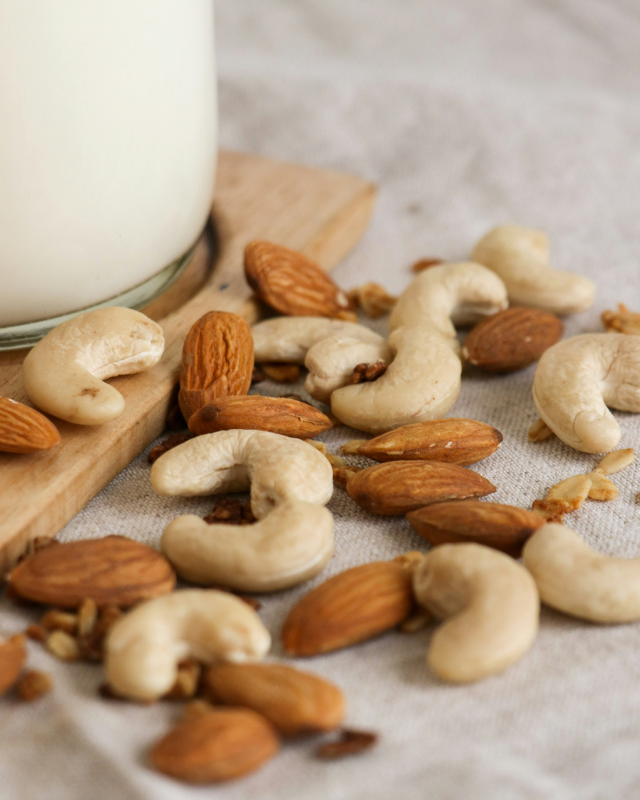
Our brains are made predominantly of fat. Fat is a major source of energy and helps you absorb certain vitamins and minerals. Fat is essential for blood clotting, muscle movement, and immune processes. Healthy fats help you feel fuller longer, balance blood sugar, and help to product and regulate hormones. Historically, monounsaturated and polyunsaturated fats have been touted for their health-promoting properties, while industrial made trans fats and saturated fats have been demonised. We now know that, while all fats are certainly NOT created equal, we’re still learning about the roles of these different chemical structures in the body and some fats (namely, of the saturated variety), are not quite as bad as we once thought.

TYPES OF FATS
Monounsaturated: olive oil, avocado, nuts - support cholesterol, brain, BP
Polyunsaturated: walnuts, flax, salmon - balance omega-3:6 ratio
Saturated: in moderation, supports HDL, immunity, and cell function
Avoid: trans fats (hydrogenated oils, fried foods)
Cooking fats: avocado oil, ghee, coconut oil, butter, olive oil - use according to heat stability


BREAKFAST
3 eggs scrambled with spinach + avocado (or egg muffins prepped)
1 tsp olive oil drizzle
SNACK
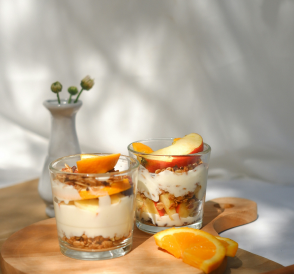
100g Full Fat Greek yogurt + 1 tbsp collagen powder + berries (or overnight oats prepped with added collagen instead of protein powder)
LUNCH
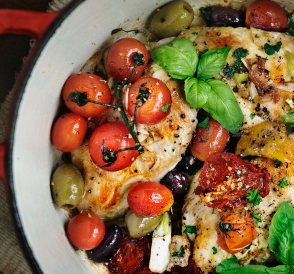
150g chicken breast, roasted vegetables, olive oil
1 cup cooked quinoa
DINNER
200g salmon, roasted sweet potato, sautéed greens with ghee or olive oil

BREAKFAST
• 3 eggs scrambled with spinach + avocado
• Olive oil drizzle
SNACK
Greek yoghurt + collagen + berries + chia
LUNCH
• 150g salmon or tuna
• Rice or quinoa
• Broccoli or kale
• Olive oil
DINNER
• White fish or salmon
• Sweet potato
• Steamed greens
• Ghee or olive oil

BREAKFAST
Scrambled tofu breakfast burrito, 350g
SNACK
Greek yoghurt + collagen + berries + chia

LUNCH
Tofu stir fry, 350g
DINNER
Chickpea and Bean curry, 100g of each


OPTIONAL SNACKS
Apple + nut butter
Dark chocolate 70% (M&S)
HYDRATION
2L water/day + electrolytes
BOWEL SUPPORT
1 tbsp ground flax/chia daily
CRUCIFEROUS VEG
1–2 servings/day for hormone support