


YOUR SKIN PLAN
PHASE ONE
The biggest thing I want you to remember with your skin is that we're not going to try and fix everything at once.
You've had acne on and off for years, you've previously been on antibiotics for it, and although it can completely settle at times, when it comes back it tends to come back quite aggressively. You've also now got some scarring and larger/visible pores that you'd really like to work on.
We absolutely can work on those things, but first I want to get your skin calm, consistent and in a really good place before we start treating the damage the acne has left behind.
For the first 6 weeks
At the moment you're using quite a lot on your skin, adapalene, azelaic acid, vitamin C, niacinamide alongside your cleanser, moisturiser and SPF.
So initially, we're going to do the opposite of adding more.
We're stripping everything right back and focusing on supporting your skin barrier.
Morning
- Cream cleanser
- Skin soak
- Derma Aid
- Prologic Oil Free SPF - start with the tester
Evening
- Cream cleanser
- Skin soak
- Derma Aid
That's it.
I don't want you chopping and changing products or adding something because you've had a breakout and panicked. Give the routine time to do its job.
Around the 6 week mark
We'll reassess your skin and, providing it's happy and tolerating the new routine well, we'll start adding things back in one at a time.
The first product I'd look at introducing is
Bio Balance Serum - £39.50
Then, once your skin is comfortable with that, we can look at introducing
Antioxidant Oil - £69.50
There's no rush to get everything into your routine. I'd much rather introduce things gradually and actually know how your skin is responding to each product.
Then tackle the scarring
I know your acne scarring and pores are a big concern for you, but I don't want to start aggressively treating scarring while we're still trying to understand and stabilise the acne underneath it. So I'm giving us approximately 8–12 weeks first.
I want to see how your skin responds to
simpler skincare + barrier support + better consistency + food/hydration foundations + working on sleep/stress
If your active acne is well controlled and your skin barrier is in a good place, that's when we can move into Exceed Medical Microneedling.
For your scarring, I'm potentially looking at a course of around
6 Exceed Medical Microneedling sessions
Approximately 4 weeks apart
We'll confirm that once I've reassessed your skin because the number of sessions will depend on the type/depth of scarring and how your skin responds.
If we were ready to start around November, the timing would actually work really well, we'd have the autumn/winter months to work through your course before heading back towards the higher UV summer months.
The purpose of microneedlinge is controlled collagen stimulation and remodelling to start working on the structural changes the acne has left behind.

YOUR
DIET
Your diet actually gives us a decent foundation to work from. You're generally getting 2–3 meals per day and already eating things like eggs, tuna, chicken, rice and pasta. Rather than restricting foods, I want to concentrate on adding more nutrition in.
Aim for 3 proper meals where you can, particularly on long uni/work days, and try to include a decent source of protein with each meal.
Your egg and toast in the morning is absolutely fine, we can just start building around it.
And your cookie, bit of chocolate or fizzy juice doesn't need to disappear. I'm much more interested in what you're doing consistently across the whole week than one individual food.
Because you've noticed ordinary milk can cause quite severe cramping and have you running straight to the toilet, we're going to approach dairy differently rather than just cutting it out completely.
Start introducing live culture/Greek yoghurt in small amounts and gradually build it up depending on how your digestion responds.
Live yoghurt cultures have been shown to help improve lactose digestion and tolerance, so this gives us a gentler way of exposing your digestive system to lactose rather than going straight back to drinking milk.
Make it more nutritious by adding things like
Blueberries/raspberries
Nuts
Seeds
Then we'll monitor how your digestion responds rather than assuming all dairy is going to cause the same reaction.
You're currently drinking around 1 litre of water per day from your Stanley. Let's gradually work towards around 1.5–2 litres across the day, particularly on days you're travelling to uni. Again, don't go from barely finishing one bottle to forcing litres of water down yourself overnight .. just gradually increase it.
FATS
Our brains are made predominantly of fat. Fat is a major source of energy and helps you absorb certain vitamins and minerals. Fat is essential for blood clotting, muscle movement, and immune processes. Healthy fats help you feel fuller longer, balance blood sugar, and help to product and regulate hormones. Historically, monounsaturated and polyunsaturated fats have been touted for their health-promoting properties, while industrial made trans fats and saturated fats have been demonised. We now know that, while all fats are certainly NOT created equal, we’re still learning about the roles of these different chemical structures in the body and some fats (namely, of the saturated variety), are not quite as bad as we once thought.

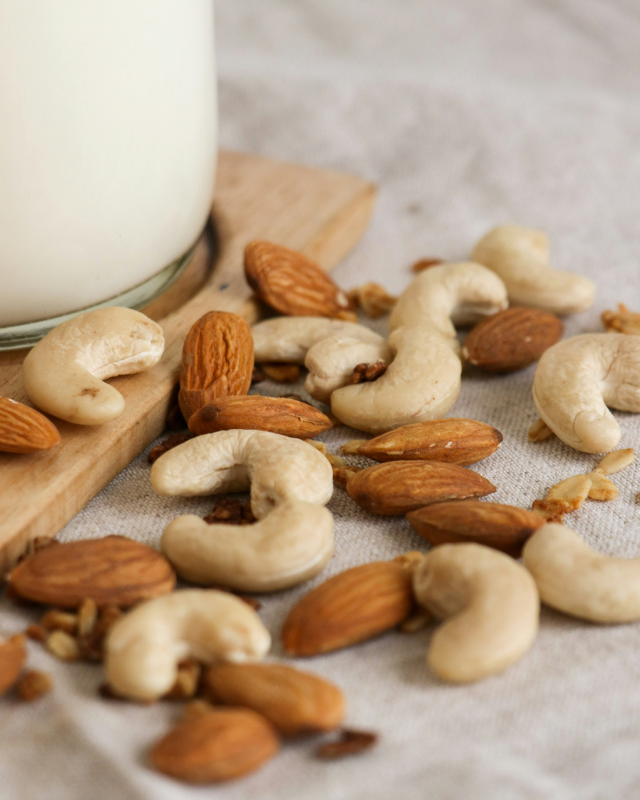
TYPES OF FATS
Monounsaturated: olive oil, avocado, nuts - support cholesterol, brain, BP
Polyunsaturated: walnuts, flax, salmon - balance omega-3:6 ratio
Saturated: in moderation, supports HDL, immunity, and cell function
Avoid: trans fats (hydrogenated oils, fried foods)
Cooking fats: avocado oil, ghee, coconut oil, butter, olive oil - use according to heat stability


BREAKFAST
3 eggs scrambled with spinach + avocado (or egg muffins prepped)
1 tsp olive oil drizzle
SNACK
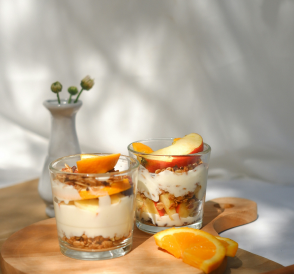
100g Full Fat Greek yogurt + 1 tbsp collagen powder + berries (or overnight oats prepped with added collagen instead of protein powder)
LUNCH
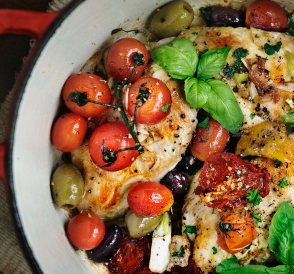
150g chicken breast, roasted vegetables, olive oil
1 cup cooked quinoa
DINNER
200g salmon, roasted sweet potato, sautéed greens with ghee or olive oil

BREAKFAST
• 3 eggs scrambled with spinach + avocado
• Olive oil drizzle
SNACK
Greek yoghurt + collagen + berries + chia
LUNCH
• 150g salmon or tuna
• Rice or quinoa
• Broccoli or kale
• Olive oil
DINNER
• White fish or salmon
• Sweet potato
• Steamed greens
• Ghee or olive oil

BREAKFAST
Scrambled tofu breakfast burrito, 350g
SNACK
Greek yoghurt + collagen + berries + chia

LUNCH
Tofu stir fry, 350g
DINNER
Chickpea and Bean curry, 100g of each


OPTIONAL SNACKS
Apple + nut butter
Dark chocolate 70% (M&S)
HYDRATION
2L water/day + electrolytes
BOWEL SUPPORT
1 tbsp ground flax/chia daily
CRUCIFEROUS VEG
1–2 servings/day for hormone support