


YOUR SKIN PLAN
PHASE ONE
The focus for this first phase is to calm inflammation, support your skin barrier, reduce internal stress signals and get your foundations more consistent.
Because you have previously been on Roaccutane and your breakouts have started to return over the past couple of years, we want to look at the full picture rather than just throwing stronger products at the skin.
Your current key focus areas are:
- Supporting your skin barrier
- Improving bowel regularity
- Supporting blood sugar balance
- Reducing sunbed use
- Calming the nervous system
- Creating simple AM and PM habits that work around shift work
Important note on sunbeds
I know sunbeds can feel like they dry breakouts out short term, but they are not a safe or long-term solution for acne.
Sunbeds expose the skin to concentrated UV radiation, which can damage skin cell DNA, increase premature ageing, worsen pigmentation and increase skin cancer risk. For your skin specifically, sunbeds can also make post breakout marks last longer, increase redness, dehydrate the barrier and make the skin more reactive over time. Rather than trying to stop everything overnight, I would like you to start reducing from once per week to once every 2 weeks, then work towards stopping completely. We can replace the “I feel better with colour” feeling with safer options like gradual tan, spray tan or tinted SPF.
No tan is worth stressing your skin or your long-term health for.

YOUR
DIET
Your bowel movements are currently very sluggish, around twice per week or sometimes less. This is a big focus because if the gut is sluggish, we often see more inflammation, bloating, hormonal recycling issues and skin that feels harder to calm. We are aiming for better rhythm.
Breakfast upgrade
Current breakfast- golden syrup porridge + Red Bull
This is likely giving you a quick energy spike then a crash, which can leave your body feeling more on edge and can affect cravings, stress hormones and skin inflammation.
Option 1
Porridge with
Full-fat Greek yoghurt mixed in after cooking
Chia seeds or milled flaxseed
Honey or maple syrup
Cinnamon if you like it
Option 2
Scrambled eggs on toast
Use
Normal butter is fine
Swap to Full fat milk
Swap white bread to Jason’s white sourdough
This gives you a better protein/fat balance and supports blood sugar better than cereal or syrup porridge alone.
Instead of Red Bull in the morning, start swapping to electrolytes.
This will still give you that “drink with flavour” habit, but without the same caffeine/sugar/stimulant hit.
Examples
Hunter & Gather electrolytes
LMNT electrolytes
Waterdrop electrolytes
Start with
1 electrolyte drink in the morning before or with breakfast.
If you still want caffeine, have a coffee after food rather than energy drinks on an empty stomach.
Lunch
Option 1 - Greek yoghurt bowl
Full-fat Greek yoghurt
Chia seeds or milled flaxseed
Honey or maple syrup
Blended fruit if you prefer smooth textures
Add collagen powder fro extra protein
Because you don't like bits, milled flaxseed will probably be better than whole seeds.
Option 2- Leftovers from dinner
This is probably one of the easiest habits to build.
When you make dinner, make an extra portion and take it for lunch the next day.
Examples -
Mince + rice/potatoes
Chicken + potatoes/rice
Burger bowl style meal
Chicken pasta with extra protein
Mince with sourdough toast or potatoes
Dinner
Your dinners are already quite protein-based with chicken, burgers and mince, so we are just going to tidy them up rather than overhaul everything.
Aim for
Protein - chicken, beef mince, burgers, eggs, Greek yoghurt
Carb - potatoes, rice, sourdough, pasta
Fibre - veg, blended soups, smoothies, fruit, milled flax/chia
Fat - butter, olive oil, avocado, full-fat yoghurt
Because of texture issues, you can use
Smooth soups
Blended fruit
Smoothies
Mashed veg
Smooth sauces
Milled seeds rather than whole seeds
FATS
Our brains are made predominantly of fat. Fat is a major source of energy and helps you absorb certain vitamins and minerals. Fat is essential for blood clotting, muscle movement, and immune processes. Healthy fats help you feel fuller longer, balance blood sugar, and help to product and regulate hormones. Historically, monounsaturated and polyunsaturated fats have been touted for their health-promoting properties, while industrial made trans fats and saturated fats have been demonised. We now know that, while all fats are certainly NOT created equal, we’re still learning about the roles of these different chemical structures in the body and some fats (namely, of the saturated variety), are not quite as bad as we once thought.

TYPES OF FATS
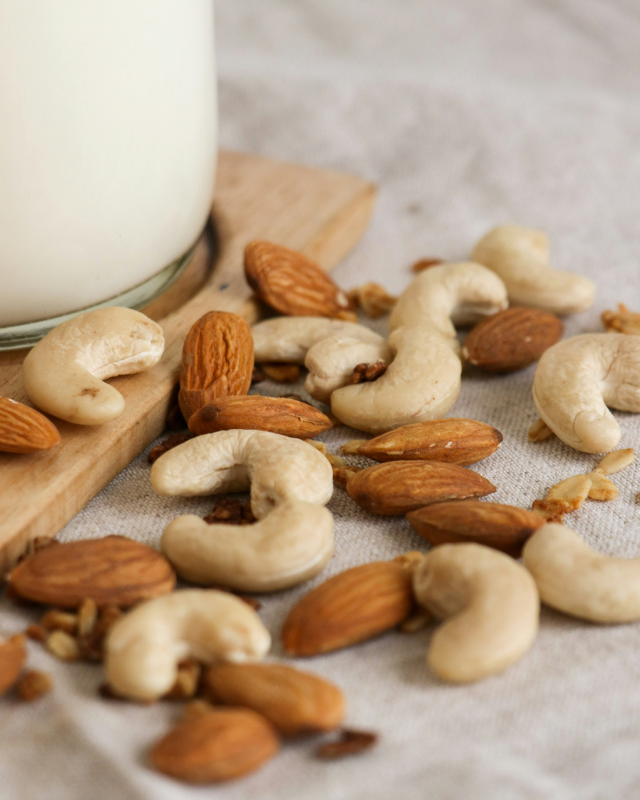
Monounsaturated: olive oil, avocado, nuts - support cholesterol, brain, BP
Polyunsaturated: walnuts, flax, salmon - balance omega-3:6 ratio
Saturated: in moderation, supports HDL, immunity, and cell function
Avoid: trans fats (hydrogenated oils, fried foods)
Cooking fats: avocado oil, ghee, coconut oil, butter, olive oil - use according to heat stability


BREAKFAST
3 eggs scrambled with spinach + avocado (or egg muffins prepped)
1 tsp olive oil drizzle
SNACK
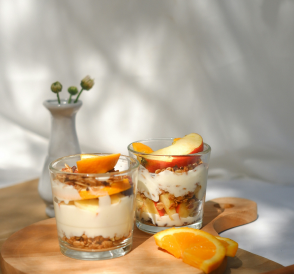
100g Full Fat Greek yogurt + 1 tbsp collagen powder + berries (or overnight oats prepped with added collagen instead of protein powder)
LUNCH
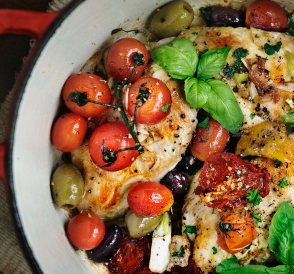
150g chicken breast, roasted vegetables, olive oil
1 cup cooked quinoa
DINNER
200g salmon, roasted sweet potato, sautéed greens with ghee or olive oil

BREAKFAST
• 3 eggs scrambled with spinach + avocado
• Olive oil drizzle
SNACK
Greek yoghurt + collagen + berries + chia
LUNCH
• 150g salmon or tuna
• Rice or quinoa
• Broccoli or kale
• Olive oil
DINNER
• White fish or salmon
• Sweet potato
• Steamed greens
• Ghee or olive oil

BREAKFAST
Scrambled tofu breakfast burrito, 350g
SNACK
Greek yoghurt + collagen + berries + chia

LUNCH
Tofu stir fry, 350g
DINNER
Chickpea and Bean curry, 100g of each


OPTIONAL SNACKS
Apple + nut butter
Dark chocolate 70% (M&S)
HYDRATION
2L water/day + electrolytes
BOWEL SUPPORT
1 tbsp ground flax/chia daily
CRUCIFEROUS VEG
1–2 servings/day for hormone support