


YOUR SKIN PLAN
PHASE ONE
Beth, this first 6 weeks is all about calming things down, getting your foundations in place and giving your skin a better environment to heal in.
You’ve been dealing with your skin for such a long time, so I don’t want to throw a million things at you and overwhelm you. Your skin already feels reactive, red and frustrated, so the aim is to support it properly and start understanding what’s driving it.
From everything we spoke about, I’m looking at a few main areas -
• Long term acne history
• More recent redness and possible rosacea type inflammation
• Whiteheads/congestion around the nose, chin and mouth area
• Cystic breakouts
• Digestion and bloating
• Low calorie food habits and not enough nourishment
• Healthy fats and hormone support
• Stress load and nervous system regulation
• Makeup confidence and fear around making the skin worse
This plan is not about being perfect. It’s about building consistency, noticing patterns and giving your skin a bit of breathing space.
Your skin is sitting between acne and rosacea inflammation at the minute.
So rather than treating it like just acne, we need to be careful. Anything too harsh, too stripping or too active could make the redness and reactivity worse.
The goal over the next 6 weeks is to
• Calm the skin - MOST IMPORTANT
• Support the barrier
• Improve digestion and bloating
• Support blood sugar and hormones through food
• Add in more healthy fats and colour
• Stop under fuelling - ANOTHER VERY IMPORTANT
• Help your nervous system feel less on edge
• Build a routine that feels realistic
I don’t think we need to rush into blood testing at this stage. I’d rather see what shifts when we get the basics in place properly first. If your skin still feels stuck after we’ve done this phase, we can absolutely look at whether bloods would be useful further down the line.
This plan is not medical advice or a replacement for your GP/dermatologist, especially with anything diagnosed like rosacea or if symptoms worsen, but it is a supportive skin, lifestyle and barrier-focused plan to help us start moving in the right direction*

YOUR
DIET
Nutrition is going to be a big part of this programme, but I don’t want this to feel like a strict diet or a meal plan you need to follow perfectly.
This is about helping you build better eating habits that support your skin, digestion, hormones, energy and nervous system.
I’m not here to tell you exactly what to eat every single day, because that wouldn’t help you long term. What I want is for you to start understanding how to build meals that actually support you, so you feel more confident making choices yourself.
What you're asking yourself now, compared with ....
“How can I keep this low calorie?”
move more to
“How can I make this meal more nourishing?”
“How can I add protein?”
“How can I add healthy fats?”
“How can I add more colour?”
“How can I support my digestion?”
“How can I keep my blood sugar steadier?”
This is the kind of thinking that will support your skin far more than trying to eat as little as possible.
For the next 6 weeks, I want you to focus on
• Eating regular meals
• Not skipping food after training
• Adding protein to each meal
• Adding healthy fats daily
• Eating more colourful plants
• Chewing properly and slowing down when eating
• Reducing low calorie snacky foods that don’t satisfy you
• Supporting digestion without cutting everything out
• Not being scared of carbs or fats
• Not making food another stressful thing
A good meal does not need to be complicated. I want you to start thinking in this simple formula:
Protein + carb + colour + fat.
Examples
• Eggs + sourdough + spinach/tomatoes + avocado
• Chicken + potatoes + broccoli/peppers + olive oil
• Salmon + rice + cucumber/carrots + avocado
• Beef mince + rice + spinach/peppers + olive oil
• Greek yoghurt + berries + chia seeds + nuts
• Chicken chilli + black beans + peppers + olive oil
This formula helps keep blood sugar steadier, supports energy, keeps you fuller for longer and gives your skin more of the nutrients it needs.
Before changing loads of foods, I want you to focus on how you’re eating too. For digestion and bloating, this matters.
• Sit down to eat
• Chew your food properly
• Slow down instead of rushing meals
• Avoid eating lunch stressed at your desk every day
• Take a few breaths before eating if you feel rushed
• Don’t drink loads of water with meals
• Notice how you feel after eating
• Stop eating only based on calories and start thinking about nourishment
If your body is stressed while you’re eating, digestion can be affected. So sometimes it’s not just what you’re eating, it’s how quickly you’re eating, how stressed you are, and whether you’re actually giving your body a chance to digest properly.
Breakfast
Your current breakfast is usually Weetabix with lactose free milk. That’s not bad, but on its own it isn’t giving you much protein or healthy fat.
Especially because you train, breakfast needs to be more supportive.
Instead
• Eggs, sourdough and avocado
• Protein oats with berries and chia seeds
• Greek or coconut yoghurt with berries, seeds and nuts
• Smoothie with collagen, berries and nut butter
• Sourdough with eggs or smoked salmon
If you still want Weetabix, that’s fine, but add to it. For example:
• Add collagen powder
• Add chia seeds
• Add berries
• Add nut butter
• Or have eggs alongside it
Lunch
Your chilli is a really good base because you’re already batch cooking, which makes life much easier.
We’re just going to make it more supportive for your skin and digestion.
For your next batch, try:
• Black beans instead of kidney beans
• Add peppers, carrots, courgette or spinach
• Use olive oil
• Keep spice moderate for now
• Rotate protein where you can, such as beef, turkey, chicken or lentils
Because you’ve noticed bloating with kidney beans, we’ll swap to black beans and see if that feels better.
Also, because your skin is showing redness/rosacea type signs, I want you to notice whether very spicy chilli makes your skin feel hotter, redder or more flushed. You don’t need to panic and cut it out straight away, just start noticing the pattern.
Dinner
Aim for:
Protein + carb + 2 portions of veg + healthy fat.
Examples
• Chicken, potatoes, broccoli, carrots and olive oil
• Salmon, rice, peppers, cucumber and avocado
• Beef mince bowl with rice, spinach and olive oil
• Chicken traybake with potatoes, courgette and pesto
• Omelette with sourdough and salad
• Turkey burgers, potato wedges and veg
Please don’t be scared of olive oil, avocado, eggs, nuts, seeds or oily fish. Healthy fats are important for skin barrier, hormones and inflammation balance.
Snacks
Try to move away from choosing snacks just because they’re low calorie.
A snack should actually support you and keep you satisfied.
Better options
• Apple with peanut butter
• Boiled eggs
• Greek or coconut yoghurt with berries
• Hummus with oatcakes or veg
• Nuts and fruit
• Protein collagen smoothie
• Sourdough with nut butter
• Rice cakes with avocado or tuna
• Dark chocolate with berries
I’d rather you had something nourishing than something low calorie that leaves you hungry and under-fuelled.
Dairy
Because your intolerance test mentioned mild dairy and you’ve noticed bloating, I don’t want you to cut dairy out forever or become scared of it. For now, just keep it lower and notice how you feel.
Track
• Bloating
• Gas
• Redness
• Whiteheads
• Congestion
• Skin heat/flushing
It may be that some dairy affects you and some doesn’t. For example, milk might not suit you, but yoghurt or cheese might be fine. We’ll learn from your body instead of guessing.
What I want you to research
Part of this programme is you learning how to support yourself, not just waiting for me to tell you every single thing to eat.
Each week, I want you to do a little bit of your own research and bring that into your meals.
Look into things like
• High protein breakfast ideas
• Mediterranean style meals
• Healthy fats for skin and hormones
• Easy colourful veg to add to meals
• Blood sugar balancing meals
• Omega 3 rich foods
• Digestion friendly meals
• How spicy food, alcohol and hot drinks can affect redness
• How under eating can affect hormones, skin and energy
not to become obsessed with nutrition, I just want you to start understanding why we’re adding certain things in.
What I don’t want
• Extreme restriction
• Cutting out loads of foods at once
• Skipping meals after training
• Low calorie everything
• Being scared of carbs
• Being scared of fats
• Living on snacky foods
• Eating in a rush every day
• Making food another thing to stress over
We’re not trying to make your diet perfect, just trying to make it more supportive.
Notice what foods keep you full.
Notice what makes you bloated.
Notice what makes your skin flush.
Notice what meals give you better energy.
Notice what happens when you eat more protein and healthy fats.
Notice what happens when you slow down and chew properly.
I can guide you, but I can’t do the daily work for you.
The more honest and curious you are with this, the easier it will be for us to understand what your skin and body need.
FATS
Our brains are made predominantly of fat. Fat is a major source of energy and helps you absorb certain vitamins and minerals. Fat is essential for blood clotting, muscle movement, and immune processes. Healthy fats help you feel fuller longer, balance blood sugar, and help to product and regulate hormones. Historically, monounsaturated and polyunsaturated fats have been touted for their health-promoting properties, while industrial made trans fats and saturated fats have been demonised. We now know that, while all fats are certainly NOT created equal, we’re still learning about the roles of these different chemical structures in the body and some fats (namely, of the saturated variety), are not quite as bad as we once thought.

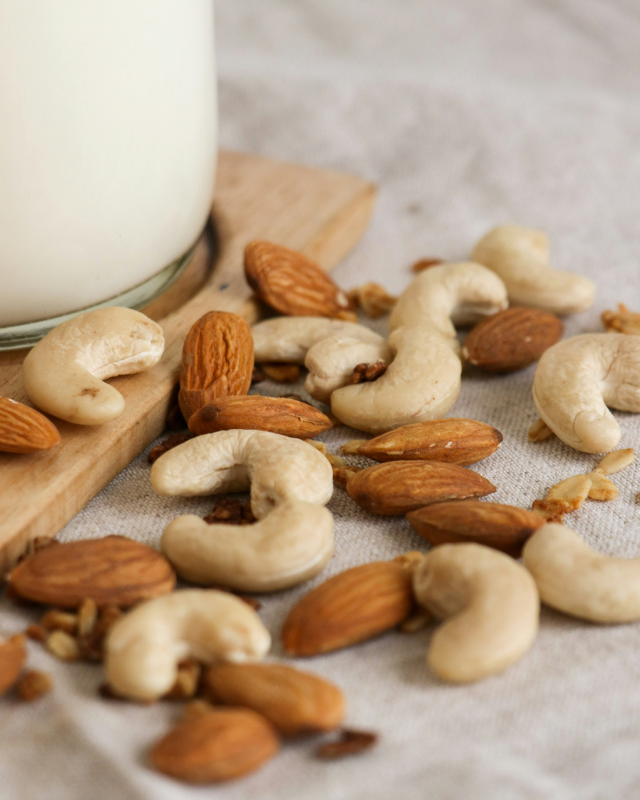
TYPES OF FATS
Monounsaturated: olive oil, avocado, nuts - support cholesterol, brain, BP
Polyunsaturated: walnuts, flax, salmon - balance omega-3:6 ratio
Saturated: in moderation, supports HDL, immunity, and cell function
Avoid: trans fats (hydrogenated oils, fried foods)
Cooking fats: avocado oil, ghee, coconut oil, butter, olive oil - use according to heat stability


BREAKFAST
3 eggs scrambled with spinach + avocado (or egg muffins prepped)
1 tsp olive oil drizzle
SNACK
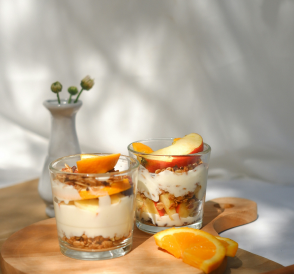
100g Full Fat Greek yogurt + 1 tbsp collagen powder + berries (or overnight oats prepped with added collagen instead of protein powder)
LUNCH
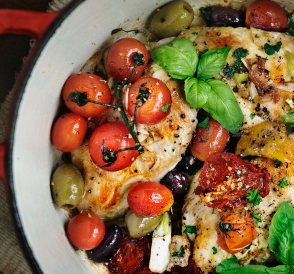
150g chicken breast, roasted vegetables, olive oil
1 cup cooked quinoa
DINNER
200g salmon, roasted sweet potato, sautéed greens with ghee or olive oil

BREAKFAST
• 3 eggs scrambled with spinach + avocado
• Olive oil drizzle
SNACK
Greek yoghurt + collagen + berries + chia
LUNCH
• 150g salmon or tuna
• Rice or quinoa
• Broccoli or kale
• Olive oil
DINNER
• White fish or salmon
• Sweet potato
• Steamed greens
• Ghee or olive oil

BREAKFAST
Scrambled tofu breakfast burrito, 350g
SNACK
Greek yoghurt + collagen + berries + chia

LUNCH
Tofu stir fry, 350g
DINNER
Chickpea and Bean curry, 100g of each


OPTIONAL SNACKS
Apple + nut butter
Dark chocolate 70% (M&S)
HYDRATION
2L water/day + electrolytes
BOWEL SUPPORT
1 tbsp ground flax/chia daily
CRUCIFEROUS VEG
1–2 servings/day for hormone support