


YOUR SKIN PLAN
PHASE ONE
Your skin is showing signs of ongoing barrier disruption and inflammation rather than simply being dry skin.
The redness, small bumps and spots around the cheeks and nose, alongside the tightness and dryness you’ve experienced for years, may fit a rosacea type pattern. However, my priority isn’t to attach a label to it, it’s to calm the skin, rebuild its barrier and monitor how it responds.
Because you’re getting married next week, i'm not going to throw loads of new things at your skin or try to force a quick result. For now, the aim is simply to keep everything calm and predictable.
- Reduce dryness, tightness and visible inflammation.
- Strengthen the skin barrier.
- Simplify your skincare and remove potential irritants.
- Improve the variety and nutrient density of your diet.
- support your nervous system and sleep around changing shifts.
- Monitor the redness, bumps and under eye colour over time.
- Introduce additional skincare only once your skin is ready.
Skincare plan
For the first eight weeks, we are keeping this deliberately simple.
Morning
- Skin soak using a clean, soft microfibre cloth and comfortably warm water.
- Apply Prologic Derma Aid while the skin is still slightly damp.
Evening
- Cleanse once using Prologic Cream Cleanser.
- Remove thoroughly with your soft microfibre cloth.
- Skin soak for approximately 30 seconds.
- Apply Prologic Derma Aid while the skin is still slightly damp.
- Apply a decent amount of mineral SPF.
For now, stop using
- CeraVe Hydrating Cleanser
- The Inkey List Azelaic Acid
- CeraVe Moisturising Cream
- La Roche-Posay Toleriane Rosaliac SPF
This isn’t because every one of these products is necessarily bad. I just want to remove variables and give your skin a proper opportunity to settle.
Avoid scrubs, exfoliating acids, retinol, cleansing brushes, hot water and introducing anything new yourself.
After eight weeks
We’ll review your skin before making changes. If it is less reactive, less tight and generally more settled, we can consider introducing Prologic Omega 3 Oil gradually.
In clinic treatment plan
I recommend a course of eight Celluma LED treatments, spaced once per week.
The aim is to support
- Redness and inflammation
- Barrier recovery
- Skin repair
- Overall resilience
This is a supportive treatment rather than an aggressive one, making it more appropriate while your skin is reactive. We won’t consider stronger treatments until the barrier is stable, if even needed.

YOUR
DIET
Nutrition
You are consistent with meals, which is a brilliant starting point. The main issue is that you’re eating virtually the same foods every day. Hitting your macros is useful, but your skin also needs variety in its micronutrients, fats, fibre and plant foods.
We don’t need to completely change your diet, just widen it a little.
Breakfast
Your yoghurt bowl already contains protein, fruit, fats and fibre, so it doesn’t need removed. Instead, begin rotating it with a more savoury breakfast a few mornings each week.
Ideas that will still work in the van
Boiled eggs with sourdough and a piece of fruit
Egg muffins made in advance with cheese and vegetables
Scrambled eggs in a wrap with avocado
Greek yoghurt with berries, chia seeds and nuts, using less granola and honey
Leftover meat with eggs and sourdough, you don’t have to eat traditional breakfast food
Lunch and dinner
Chicken and rice can stay, but I’d like you to stop relying on it for both lunch and dinner every day.
Aim to rotate between
Chicken thighs
Beef mince
Steak or lean beef
Lamb
Salmon, sardines or mackerel
Eggs
Try to have red meat around two or three times per week and oily fish once or twice per week.
Add at least one or two different vegetables to lunch and dinner. Easy options are frozen broccoli, peppers, carrots, green beans, spinach, peas or mixed vegetables. Frozen veg is absolutely fine and makes this much easier.
You can still use rice, but occasionally rotate it with potatoes, sweet potatoes, sourdough, quinoa or another carbohydrate you enjoy.
Fats for the skin barrier
Your skin barrier relies on adequate dietary fat, so don’t let a very strict diet plan become unnecessarily low fat.
Regularly include
Extra virgin olive oil
Eggs
Avocado
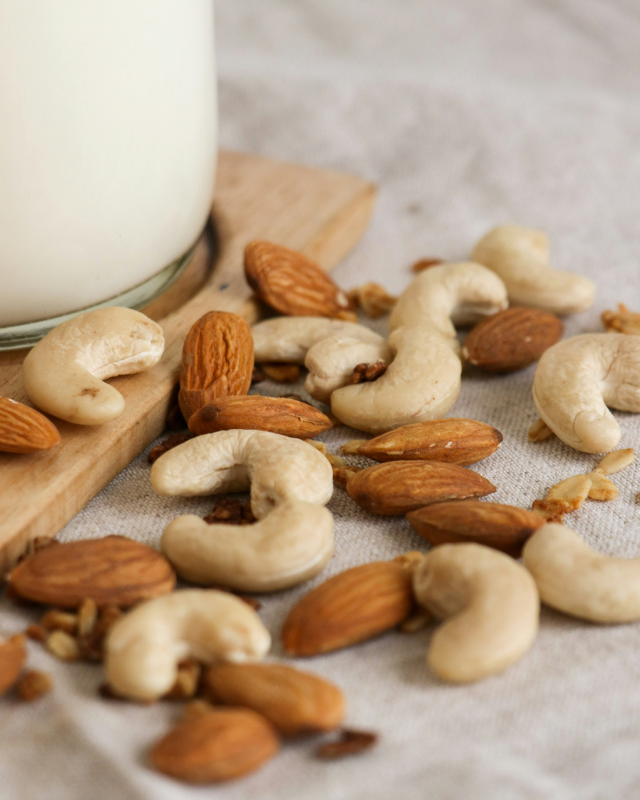
Nuts and seeds
Full fat Greek yoghurt
Oily fish
Red meat
Sauces and spicy foods
You don’t have to remove the Nando’s sauce immediately. However, spicy food can aggravate flushing in some people. Pay attention to whether your skin feels hotter or looks redder after eating it.
Hydration and shift work
Continue aiming for around two to three litres of water daily, spreading it across the day rather than drinking large amounts at once.
You can add a small pinch of good quality salt to one bottle of water, particularly on longer or more physical shifts. You dont need electrolytes in every drink.
Black coffee and a sugar-free Monster aren’t automatically causing the skin problem, but caffeine timing matters.
Have caffeine after food where possible.
Avoid relying on caffeine immediately after waking.
Keep the Monster to one during night shift.
Stop caffeine around six to eight hours before your intended sleep time.
Pay attention to whether the Monster causes flushing or makes your skin feel warmer.
FATS
Our brains are made predominantly of fat. Fat is a major source of energy and helps you absorb certain vitamins and minerals. Fat is essential for blood clotting, muscle movement, and immune processes. Healthy fats help you feel fuller longer, balance blood sugar, and help to product and regulate hormones. Historically, monounsaturated and polyunsaturated fats have been touted for their health-promoting properties, while industrial made trans fats and saturated fats have been demonised. We now know that, while all fats are certainly NOT created equal, we’re still learning about the roles of these different chemical structures in the body and some fats (namely, of the saturated variety), are not quite as bad as we once thought.

TYPES OF FATS
Monounsaturated: olive oil, avocado, nuts - support cholesterol, brain, BP
Polyunsaturated: walnuts, flax, salmon - balance omega-3:6 ratio
Saturated: in moderation, supports HDL, immunity, and cell function
Avoid: trans fats (hydrogenated oils, fried foods)
Cooking fats: avocado oil, ghee, coconut oil, butter, olive oil - use according to heat stability


BREAKFAST
3 eggs scrambled with spinach + avocado (or egg muffins prepped)
1 tsp olive oil drizzle
SNACK
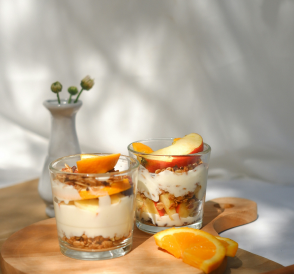
100g Full Fat Greek yogurt + 1 tbsp collagen powder + berries (or overnight oats prepped with added collagen instead of protein powder)
LUNCH
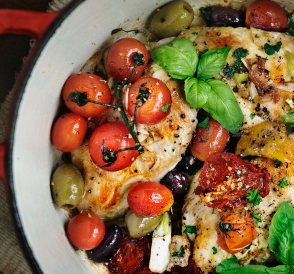
150g chicken breast, roasted vegetables, olive oil
1 cup cooked quinoa
DINNER
200g salmon, roasted sweet potato, sautéed greens with ghee or olive oil

BREAKFAST
• 3 eggs scrambled with spinach + avocado
• Olive oil drizzle
SNACK
Greek yoghurt + collagen + berries + chia
LUNCH
• 150g salmon or tuna
• Rice or quinoa
• Broccoli or kale
• Olive oil
DINNER
• White fish or salmon
• Sweet potato
• Steamed greens
• Ghee or olive oil

BREAKFAST
Scrambled tofu breakfast burrito, 350g
SNACK
Greek yoghurt + collagen + berries + chia

LUNCH
Tofu stir fry, 350g
DINNER
Chickpea and Bean curry, 100g of each


OPTIONAL SNACKS
Apple + nut butter
Dark chocolate 70% (M&S)
HYDRATION
2L water/day + electrolytes
BOWEL SUPPORT
1 tbsp ground flax/chia daily
CRUCIFEROUS VEG
1–2 servings/day for hormone support