
Why Acne Medication Stops Working (And What to Do Instead)
If you’ve ever felt like acne medication worked for a while and then slowly stopped making a difference, you’re not imagining it. I hear this story all the time in clinic.
Someone is prescribed antibiotics, a topical treatment like Tretinoin, the pill, or a combination of all three. Their skin improves for a few months. There’s a sense of relief as it seems like something is finally helping! So it’s extra heartbreaking when the breakouts creep back in.
People are often stuck on a cycle of upping the medication, or finally stopping and within weeks the acne returns as if nothing ever changed.
It’s frustrating, disheartening, and often confusing. A lot of people assume this means their acne is particularly stubborn, or that they just haven’t found the right medication yet.
In reality, there’s usually a different explanation.

What Acne Medication Is Actually Designed to Do
Most acne medications are designed to control symptoms on the surface of the skin.
They work by doing things like:
Reducing bacteria
Suppressing inflammation
Slowing oil production
Temporarily altering hormones (in the case of the pill)
And for some people, that’s enough, especially with teenage acne or short term flare ups.
But for many adults, acne is being driven by things happening inside the body: hormone imbalance, chronic stress, gut health issues, blood sugar regulation, or post-pill changes. Medication doesn’t usually correct those underlying factors, it just suppresses the symptoms while the deeper issue continues in the background.
So when the medication is stopped, or when the body adapts, the acne often returns.
Why Acne Medication Stops Working With Adult Acne
Adult acne behaves very differently from teenage acne.
It tends to be:
More persistent
More inflammatory
Often focused around the jawline and lower face
More closely linked to hormones and stress
This is why many women find themselves stuck in a loop: medication, improvement, relapse… repeat.
From a root cause acne perspective, this makes sense. If the driver hasn’t been addressed, the skin has no reason to stay clear on its own.

“But My GP Recommended Me Medication For My Acne”
A common experience myself and my clients have with their GP is that medication is presented as a long term solution to acne with very little thought of what is happening beneath the surface. For some people it can be helpful as part of a wider plan, but the difficulty comes when it’s the only plan.
Long-term antibiotics can affect gut health. Hormonal medication can mask imbalances rather than resolve them. Strong topical treatments can weaken the skin barrier over time, making skin more reactive and slow to heal.
None of this means you’ve done anything wrong by trying medication. It simply means that, for many people, it isn’t the full answer.
What to Do Instead When Acne Medication Isn’t Enough
When someone comes to me after years of treatments from their GP that haven’t lasted, the focus shifts from “how do we suppress this?” to “why is this happening?”
With adult acne treatment, that usually means looking at:
Hormone balance
Stress and cortisol levels
Gut health and digestion
Blood sugar regulation
Inflammation
Post-contraception changes
Sometimes this includes taking blood work samples to study your hormones, sometimes we analyse your lifestyle and cycle history - I aim to do both. This way we remove all of that guesswork and gain complete clarity on what’s driving the acne. That’s when treatment becomes far more targeted and far less frustrating.

A Calmer, Longer Term Approach
One of the biggest differences with a root cause approach to acne is the timescale.
Instead of chasing quick results that fade, the goal becomes helping the skin stabilise so it can function properly on its own again. That often includes:
Supporting the skin barrier rather than stripping it
Balancing hormones gently
Reducing chronic stress load
Improving gut health where needed
Creating routines that are sustainable, not extreme
Progress is usually steadier, but far more reliable and long term.

If This Sounds Familiar
If you’ve tried medication, seen improvement, and then watched your acne come straight back, you’re not alone. It doesn’t mean your skin is difficult. It usually means the treatment never addressed what was driving the problem in the first place.
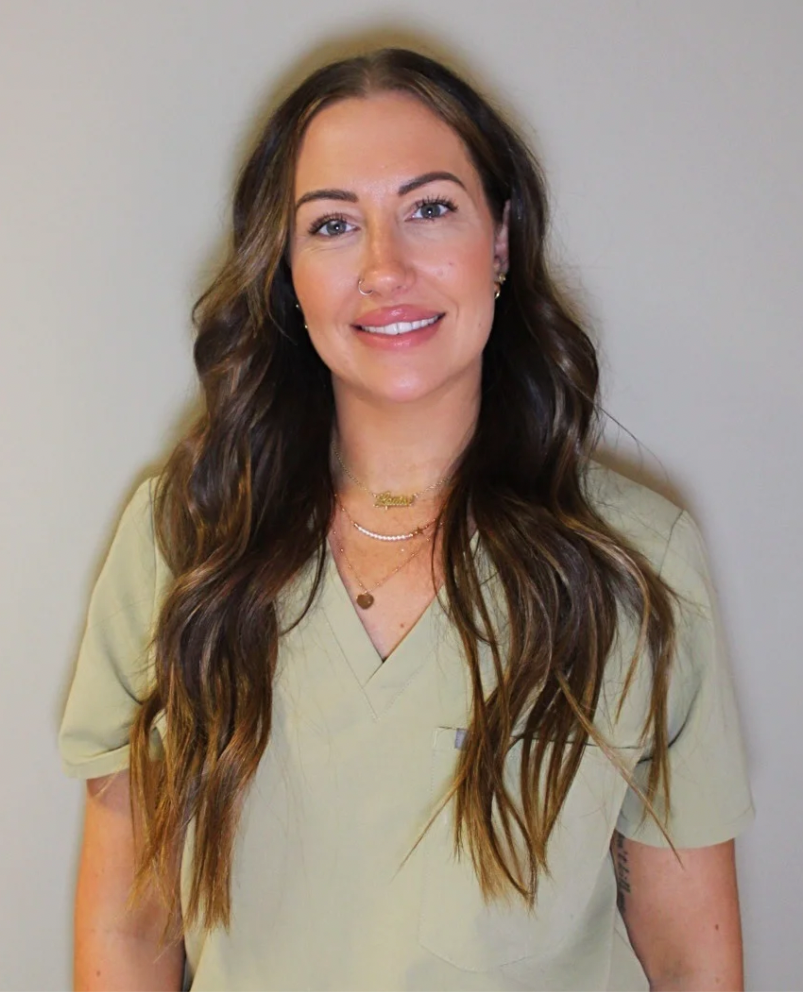
At The Skin Specialist in Lanarkshire, I work with many women who feel stuck in this exact cycle and are ready for a more complete approach to adult acne treatment, one that focuses on the root cause, not just the symptoms.
If you’d like support understanding what your skin is actually responding to, and what it needs to stay calm long term, I’d be very happy to help.


Comments